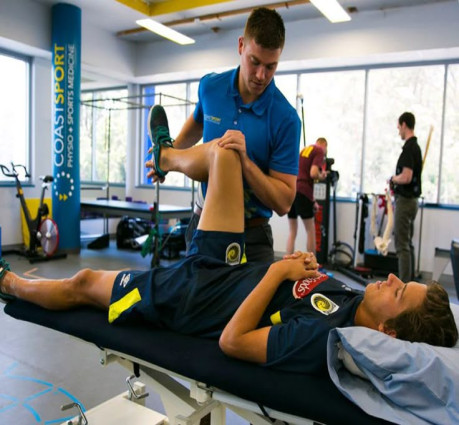
Programme Overview

Bachelor of physiotherapy is a 4.5- year undergraduate program it is designed to provide students with a comprehensive understanding of human anatomy, physiology and biomechanics, as well as the skills necessary to diagnose and treat various physical ailments and injuries, including compulsory 6 months of clinical internship and involving the science of physical movement aimed at preventing disease and disability.

  • 4.5 Years

    Duration of programme

  • UG

    Level of Study

Key Highlights

Huge Campus
Large Lecture Hall
Clean, conducive OPD
Occupational Health Ergonomics
Ideal Location

How will you benefit

The demand for physiotherapists in India has been increasing for a variety of reasons, including the country's constantly changing lifestyle.
With a broad understanding of strategies for rehabilitation and recovery, physiotherapy students not only learn how to help others but also how to help themselves.
The opportunity for a challenging, gratifying, and fulfilling career exists in physiotherapy.
Applicants who enrol in undergraduate physiotherapy programmes have numerous career and promotion opportunities.

What will you study

Specialized Skill.

Career Advancement

Clinical Experiences

Research Opportunities

  • PO-1- Physiotherapy Knowledge: Apply comprehensive knowledge of anatomy, physiology, pathology, biomechanics, kinesiology, exercise therapy, electrotherapy, pharmacology, rehabilitation sciences, and clinical physiotherapy for effective patient management.
  • PO-2- Clinical Assessment and Diagnosis: Demonstrate competence in evaluating patients through history taking, physical examination, functional assessment, clinical reasoning, and standardized outcome measures to identify movement dysfunctions and rehabilitation needs.
  • PO-3- Treatment Planning and Intervention: Design, implement, monitor, and modify individualized physiotherapy treatment plans using therapeutic exercises, electrotherapy modalities, manual therapy, biomechanical principles, assistive technologies, and rehabilitation strategies.
  • PO-4- Evidence-Based Practice: Integrate current scientific evidence, clinical expertise, and patient values into physiotherapy practice for safe, effective, and outcome-oriented healthcare delivery.
  • PO-5- Research and Innovation: Apply research methodology, biostatistics, critical appraisal, and scientific writing skills to conduct research, evaluate literature, and contribute to evidence generation in physiotherapy.
  • PO-6- Professional Ethics: Practice physiotherapy with integrity, accountability, confidentiality, ethical responsibility, legal awareness, and respect for professional standards while safeguarding patient rights.
  • PO-7- Communication Skills: Communicate effectively with patients, caregivers, healthcare professionals, researchers, and the community through verbal, non-verbal, written, and digital communication methods.
  • PO-8- Teamwork and Leadership: Function efficiently as an integral member and leader of multidisciplinary healthcare teams by demonstrating leadership, collaboration, interpersonal skills, and professional responsibility.
  • PO-9- Technology and Digital Competence: Utilize modern physiotherapy equipment, healthcare technologies, digital health systems, electronic medical records, tele-rehabilitation platforms, and information technology for quality healthcare services.
  • PO-10- Health Promotion and Community Rehabilitation: Plan and implement health promotion programmes, preventive strategies, community-based rehabilitation, disability prevention, ergonomic interventions, and public health initiatives.
  • PO-11- Problem Solving and Critical Thinking: Employ analytical thinking, clinical reasoning, problem-solving abilities, and reflective practice in addressing complex physiotherapy and rehabilitation challenges.
  • PO-12- Lifelong Learning: Recognize the importance of lifelong learning, continuing professional education, interdisciplinary collaboration, and self-directed learning to maintain professional competence in a rapidly evolving healthcare environment.

  • PSO-1- Comprehensive Patient Assessment: Perform systematic physiotherapy evaluation using evidence-based assessment techniques to identify impairments, activity limitations, participation restrictions, and functional outcomes across musculoskeletal, neurological, cardiopulmonary, paediatric, geriatric, sports, and community health conditions.
  • PSO-2- Evidence-Based Therapeutic Intervention: Provide safe, ethical, and effective physiotherapy interventions utilizing therapeutic exercise, manual therapy, electrotherapy, biomechanics, kinesiology, assistive devices, rehabilitation technologies, and patient education to restore optimal functional independence.
  • PSO-3- Rehabilitation and Interdisciplinary Healthcare: Plan and deliver comprehensive rehabilitation services by collaborating with multidisciplinary healthcare teams in hospitals, rehabilitation centres, sports organizations, community settings, and primary healthcare institutions.
  • PSO-4- Health Promotion and Preventive Physiotherapy: Design and implement preventive physiotherapy programmes focusing on ergonomics, occupational health, fitness, wellness, lifestyle modification, sports injury prevention, geriatric care, women's health, and community-based rehabilitation.
  • PSO-5- Professional Development and Research: Demonstrate professional competence through ethical practice, leadership, innovation, entrepreneurship, research participation, quality improvement initiatives, and continuous professional development in physiotherapy.

  • PEO-1- Professional Competence: Develop competent physiotherapy professionals possessing comprehensive knowledge of basic medical sciences, physiotherapy sciences, clinical assessment, therapeutic interventions, rehabilitation techniques, and evidence-based clinical practice to provide high-quality patient care across diverse healthcare settings.
  • PEO-2- Ethical and Compassionate Healthcare Practice: Demonstrate professional ethics, integrity, empathy, cultural sensitivity, patient-centered care, and social responsibility while adhering to national and international standards of physiotherapy practice.
  • PEO-3- Clinical Decision-Making and Lifelong Learning: Apply critical thinking, clinical reasoning, scientific inquiry, and evidence-based practice to assess, diagnose, plan, implement, and evaluate physiotherapy interventions while engaging in lifelong learning and continuous professional development.
  • PEO-4- Leadership, Research and Innovation: Exhibit leadership, teamwork, communication, research aptitude, entrepreneurship, and innovation to contribute effectively to healthcare delivery, education, administration, and multidisciplinary rehabilitation services.
  • PEO-5- Community Health and Sustainable Healthcare: Promote preventive healthcare, health education, community rehabilitation, disability management, wellness promotion, and sustainable healthcare practices to improve the quality of life of individuals and society.

Curriculum

Bachelor of Physiotherapy

  • Human Anatomy
  • Human Physiology
  • Fundamental of Physics Biomechanics &Biomechanical Modalities
  • Fundamental of Medical Electronics &principles of Bioelectrical Modalities
  • Psychology & Sociology.

CAREERS AND EMPLOYABILITY

Clinical Physiotherapist
Rehabilitation Physiotherapist
Musculoskeletal Rehabilitation Specialist
Cardio-Pulmonary Physiotherapist

ELIGIBILITY CRITERIA

Minimum qualification 10+2 from any recognized board

minimum 50% from PCB

Apply Now Enquiry Now WhatsApp Now